
WHAT DO YOU WANT
ME TO SAY NOW
BY JOËL RICHARD
Synopsis
Part 1.
Self-optimisation, cults, everything now, run clubs, curated lives, community groups, life coach, podcast and gurus.
This series comes from a simple observation on societal trends, the etiquette factor and belonging desire.
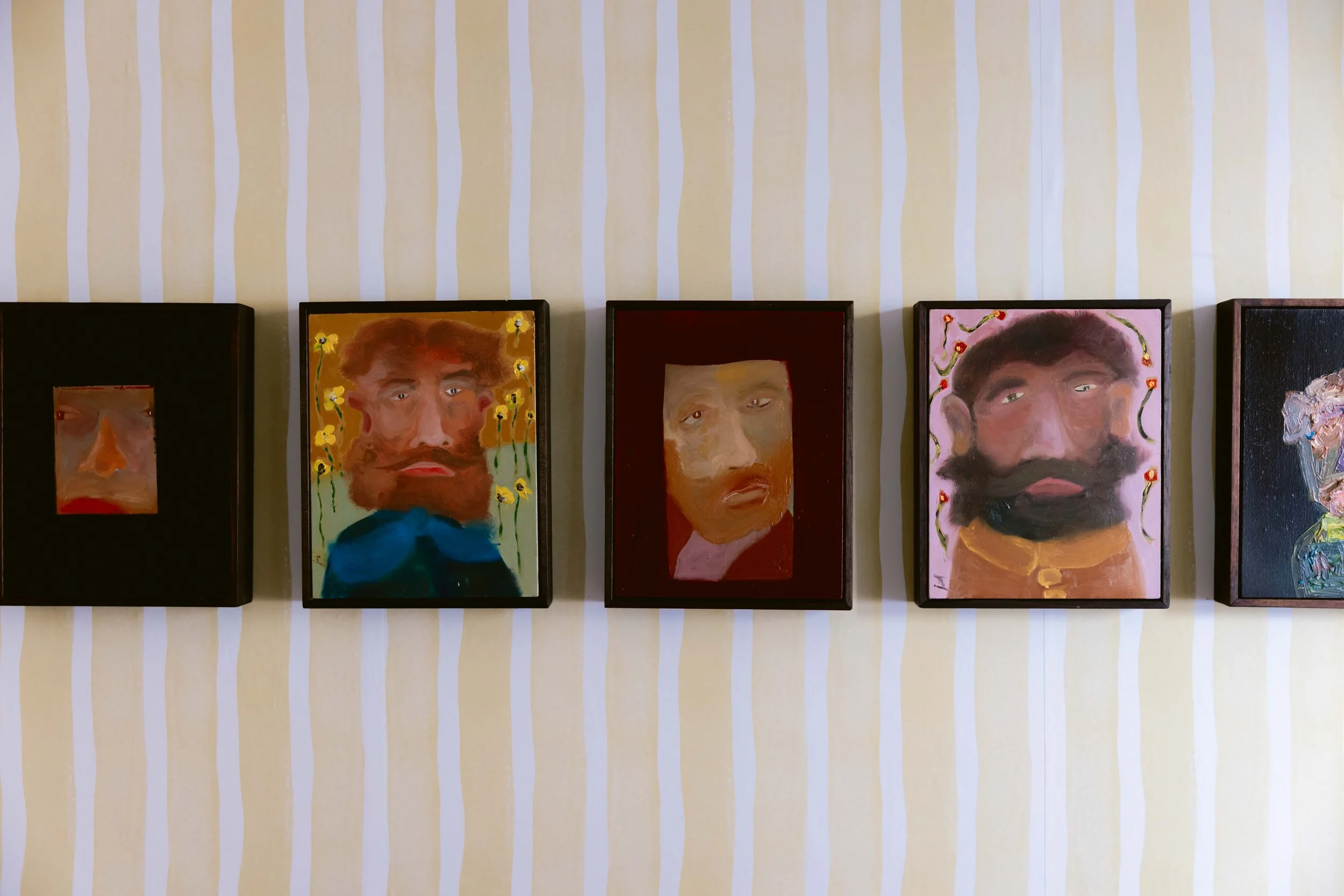
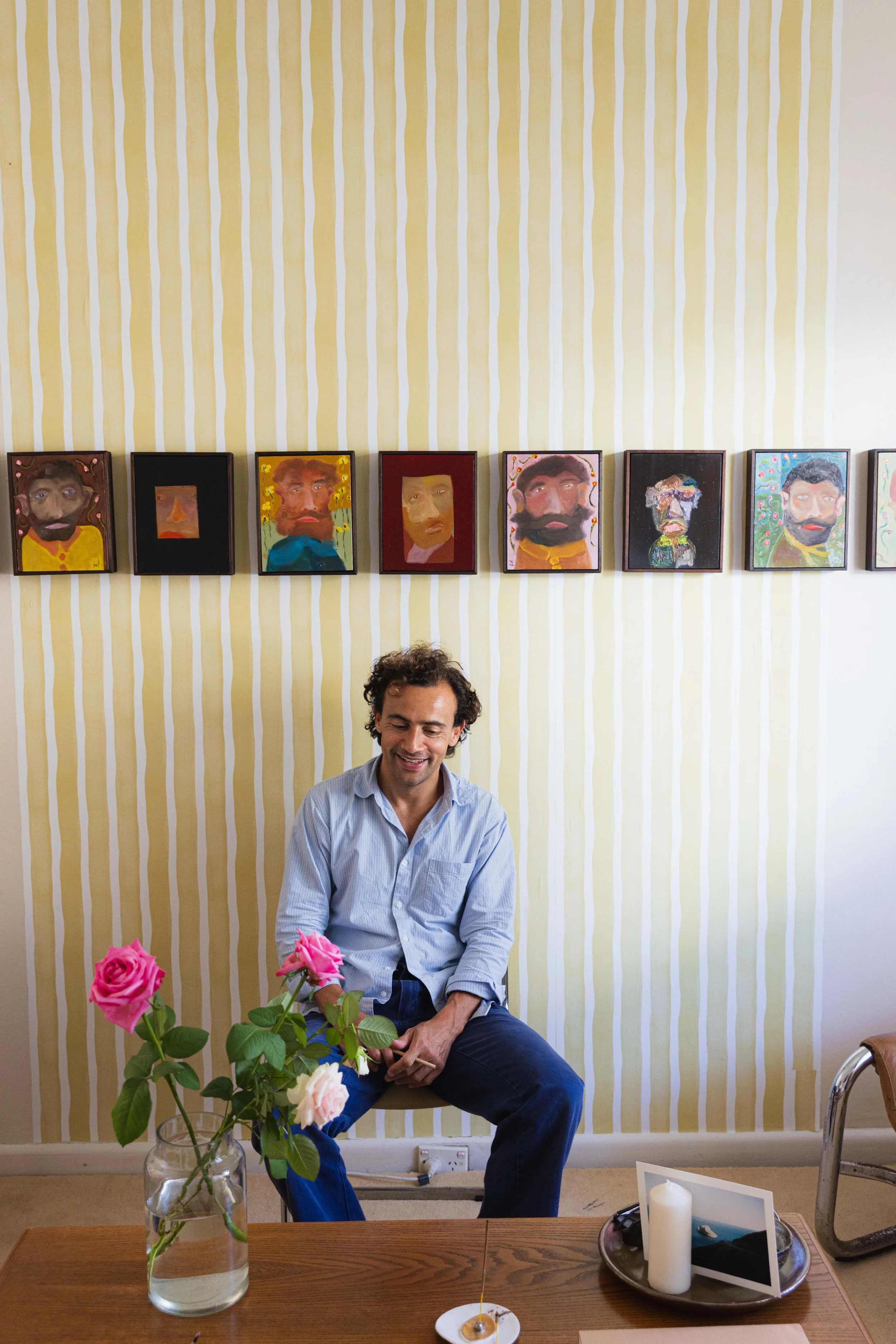
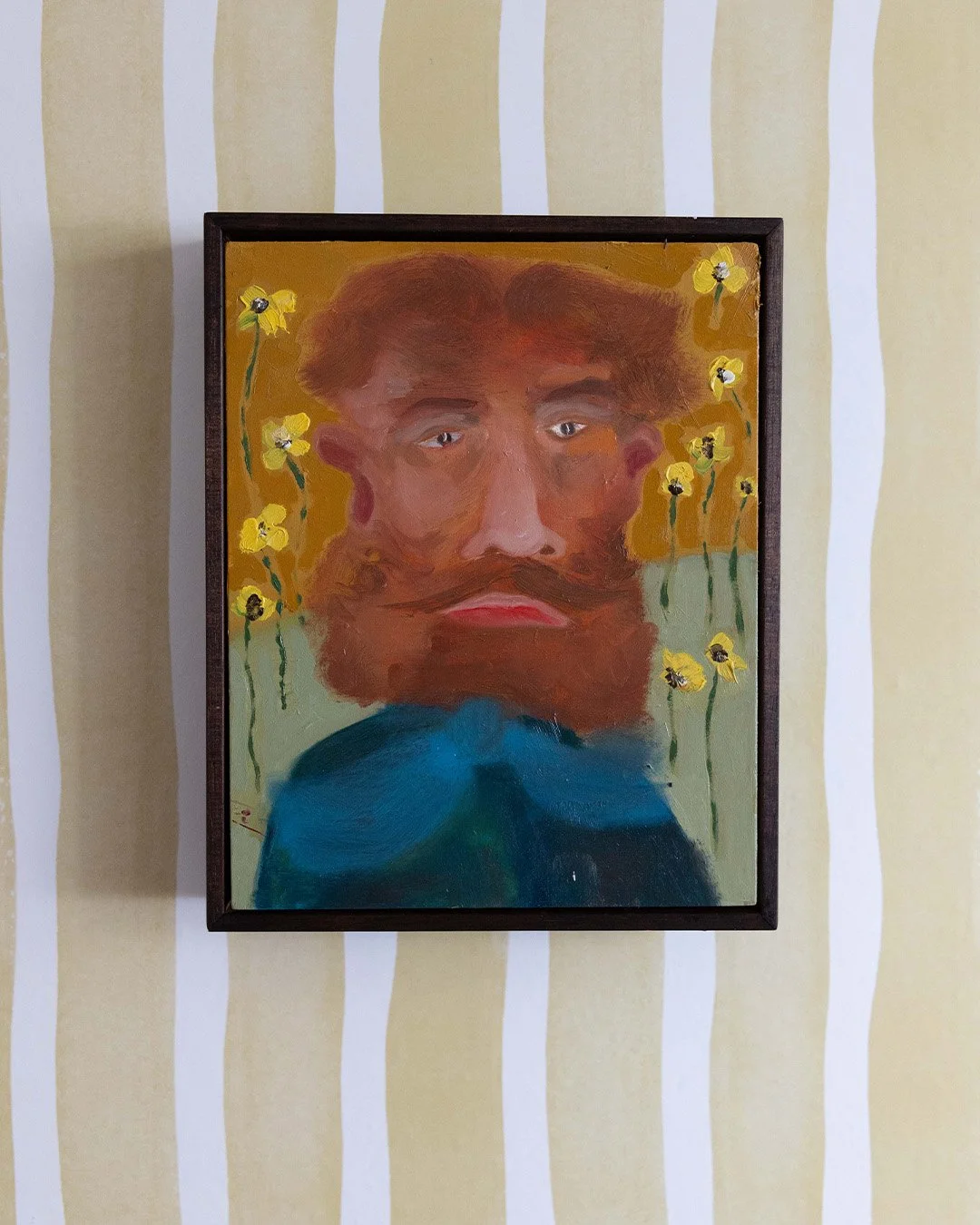
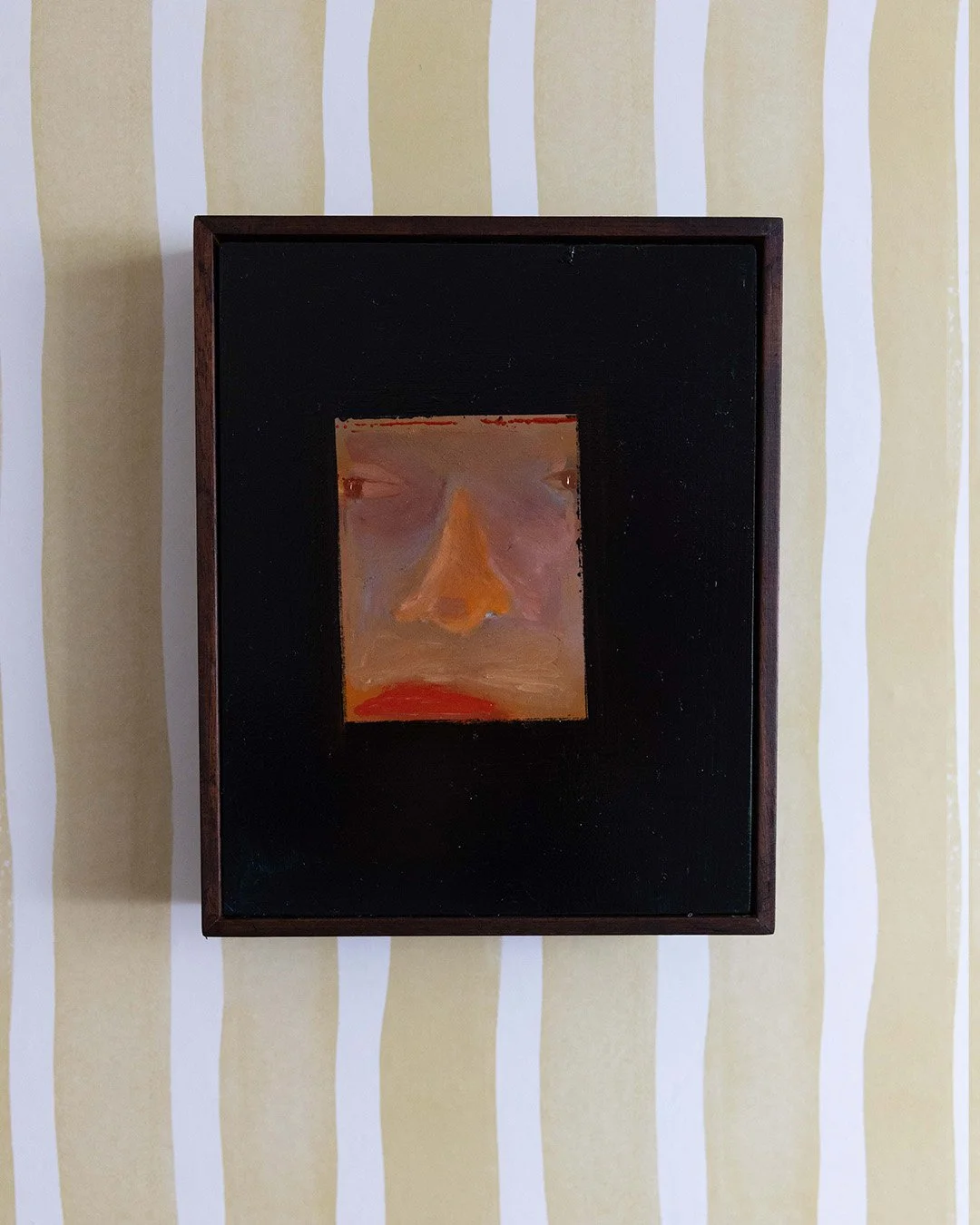
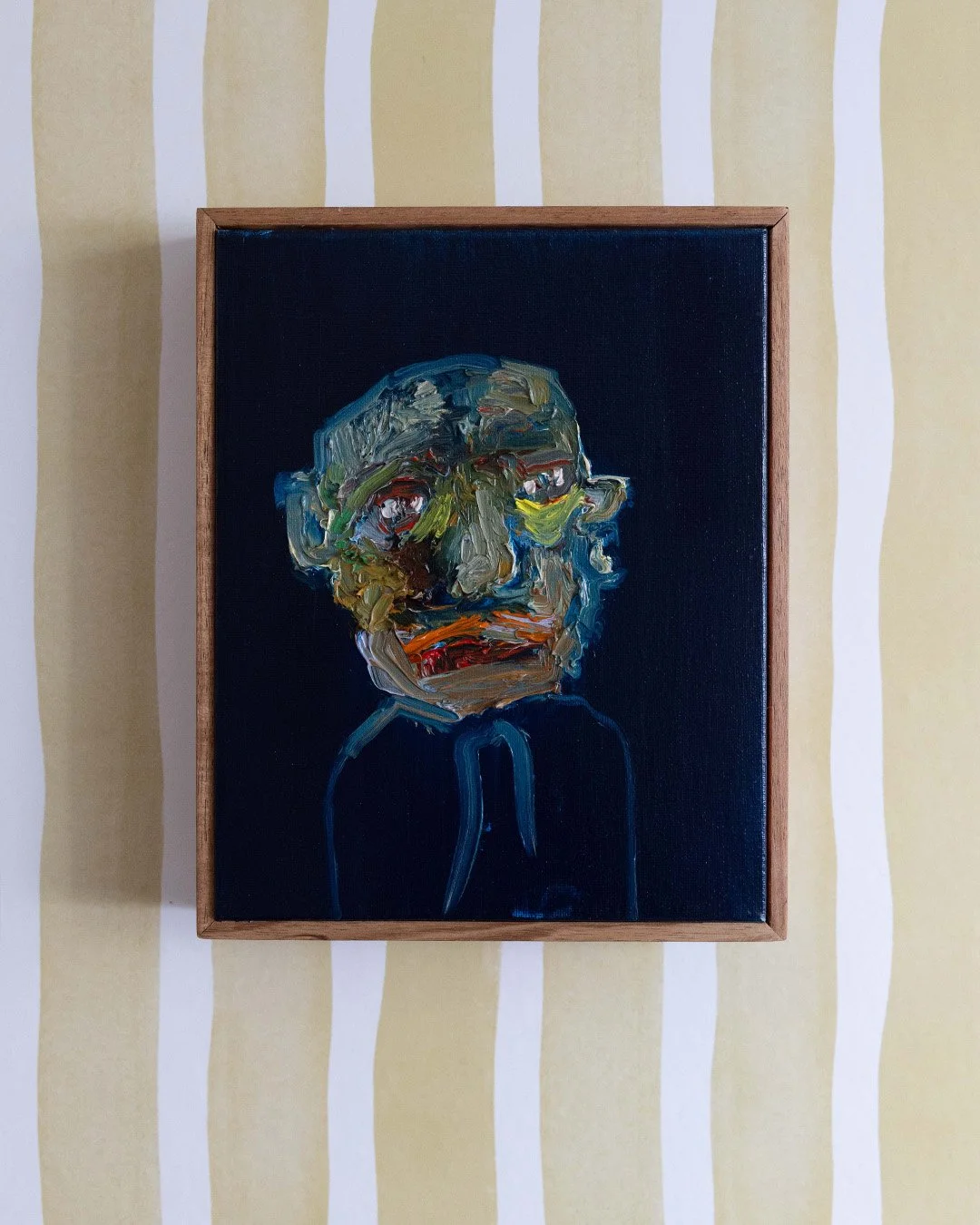
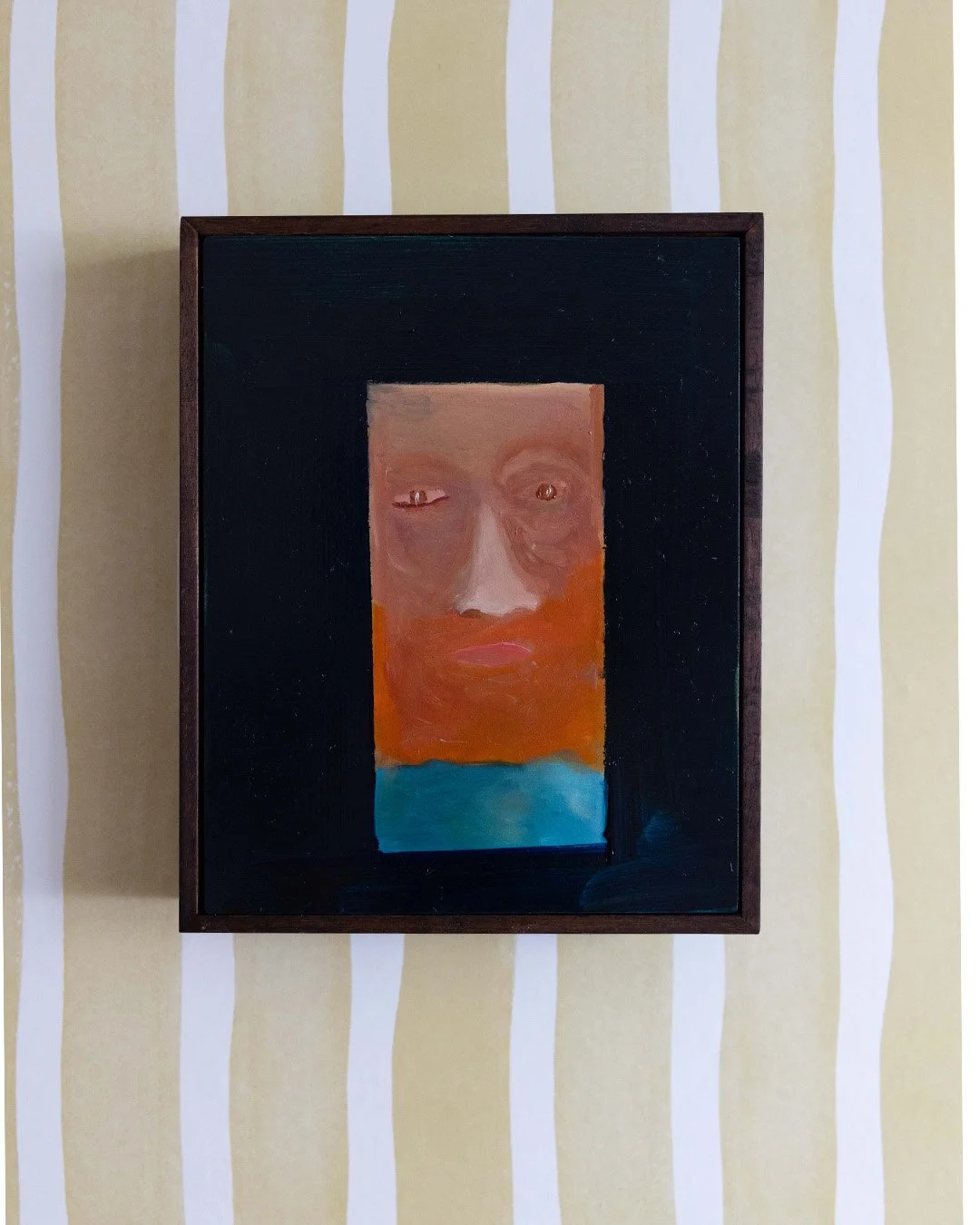
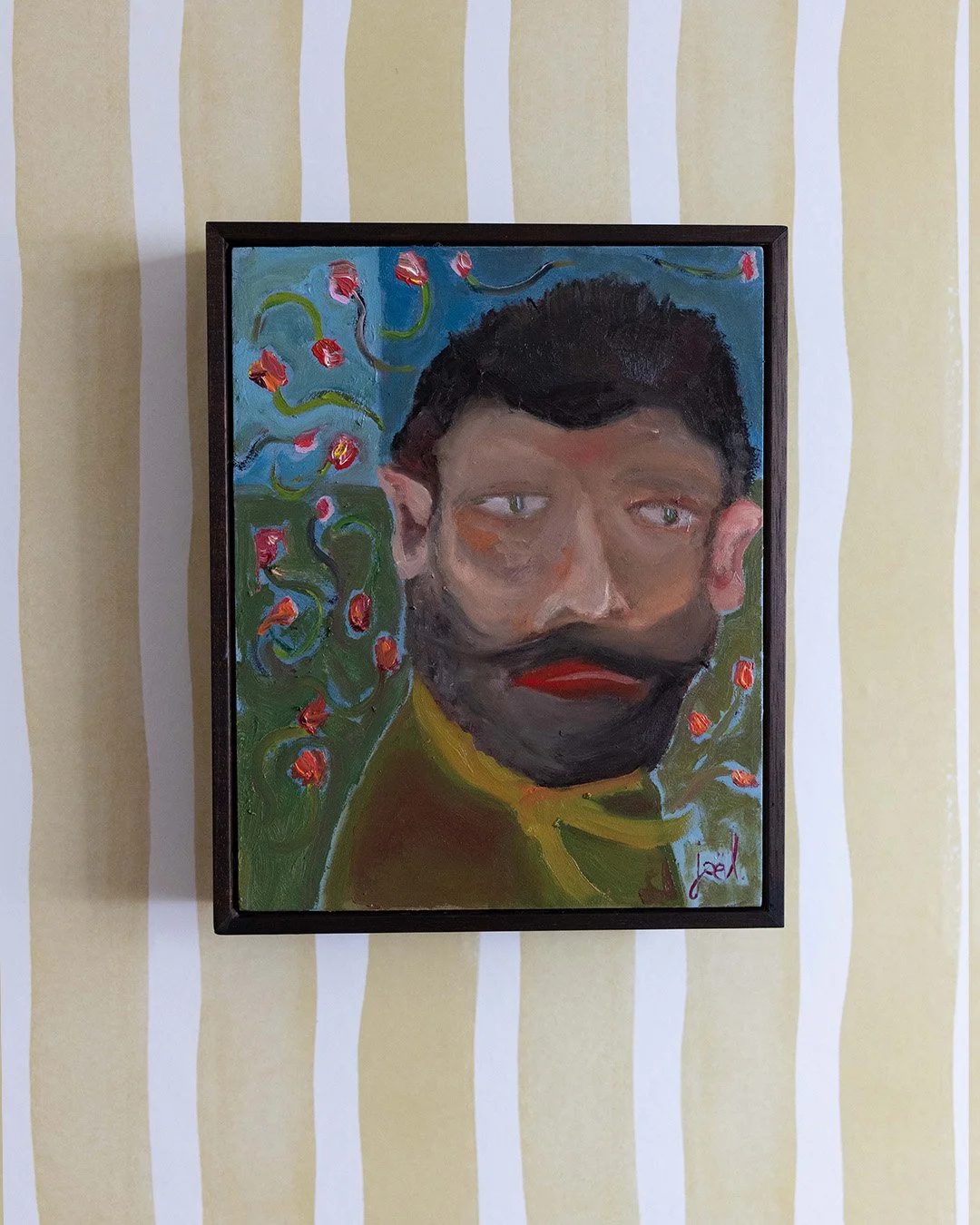
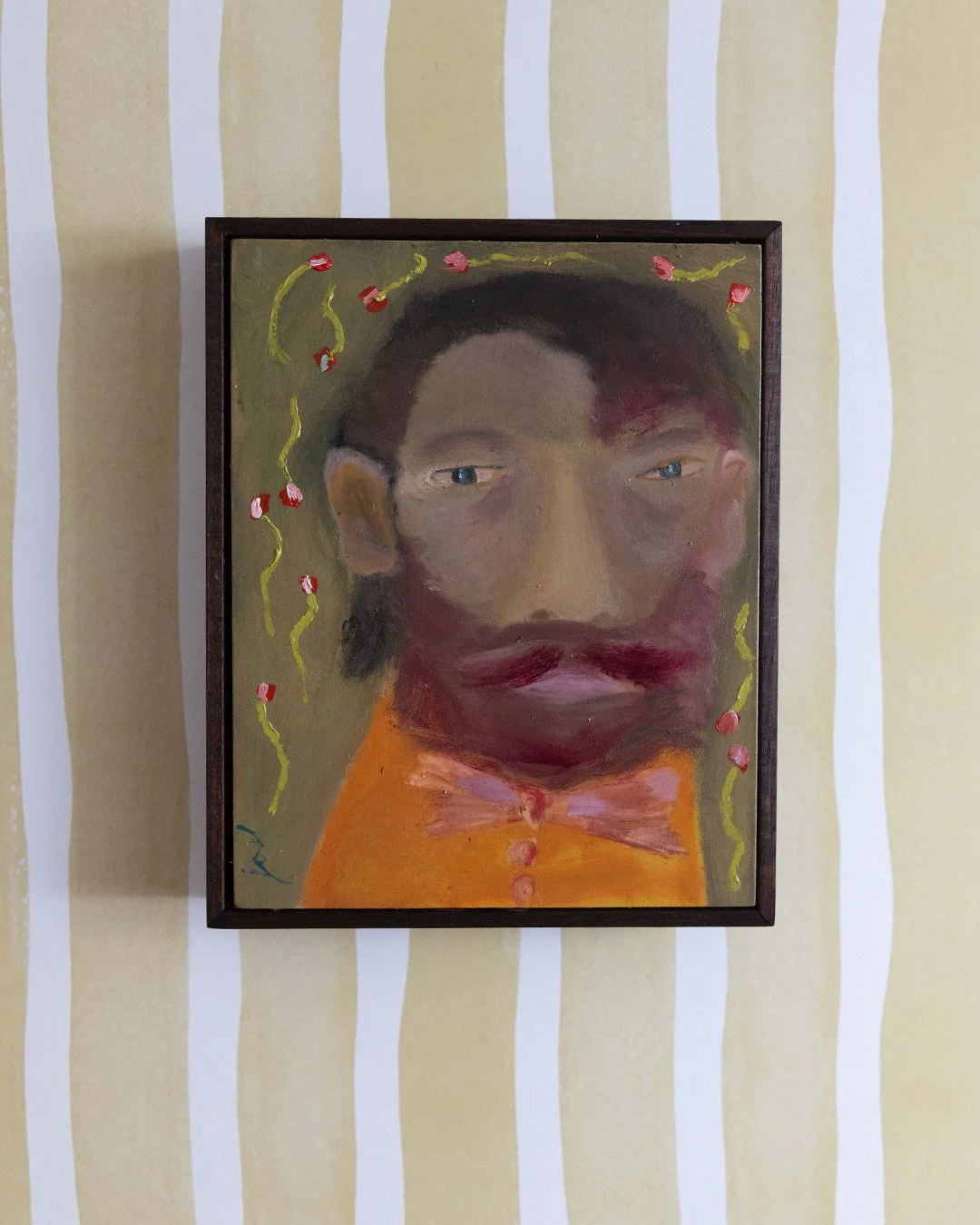
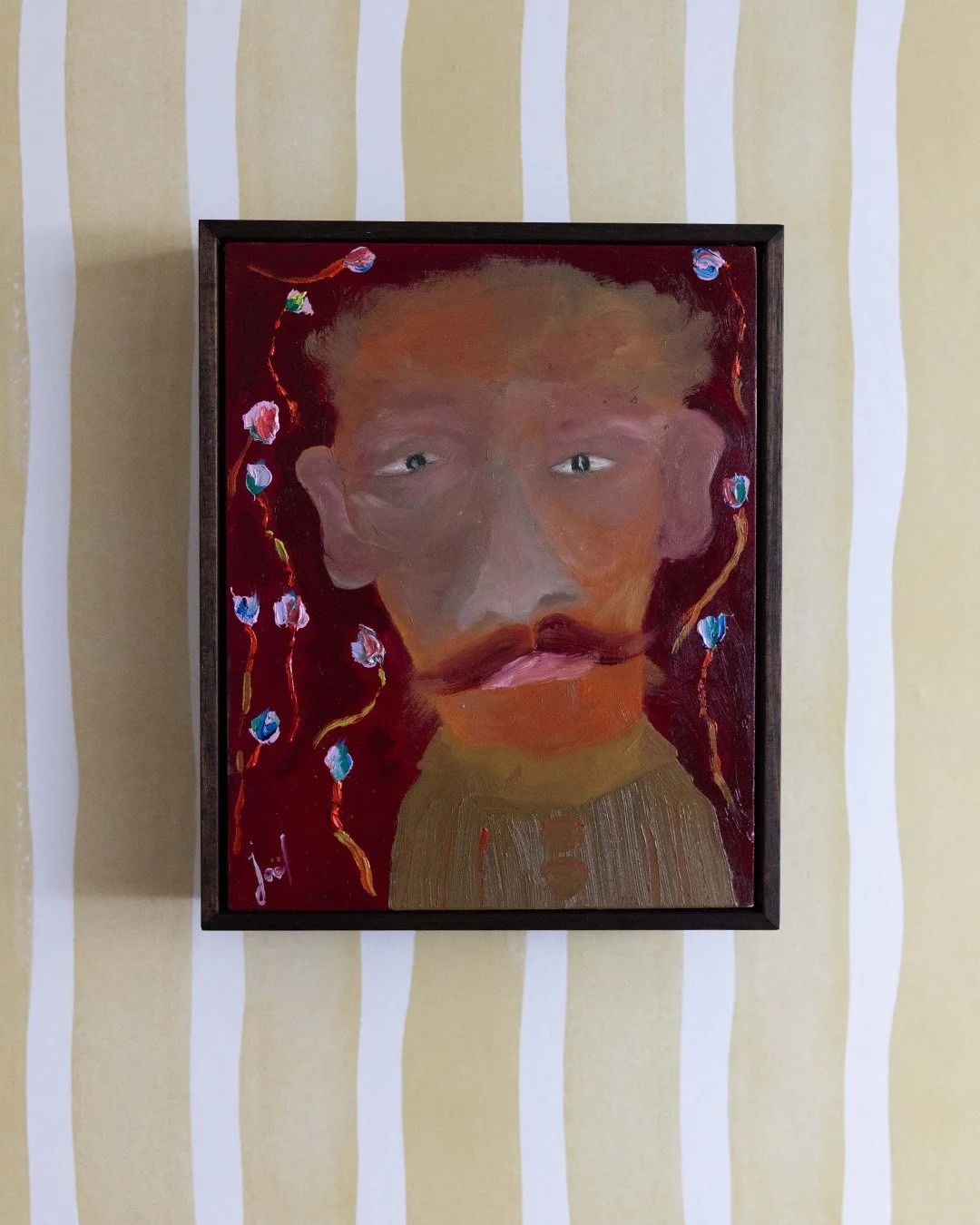
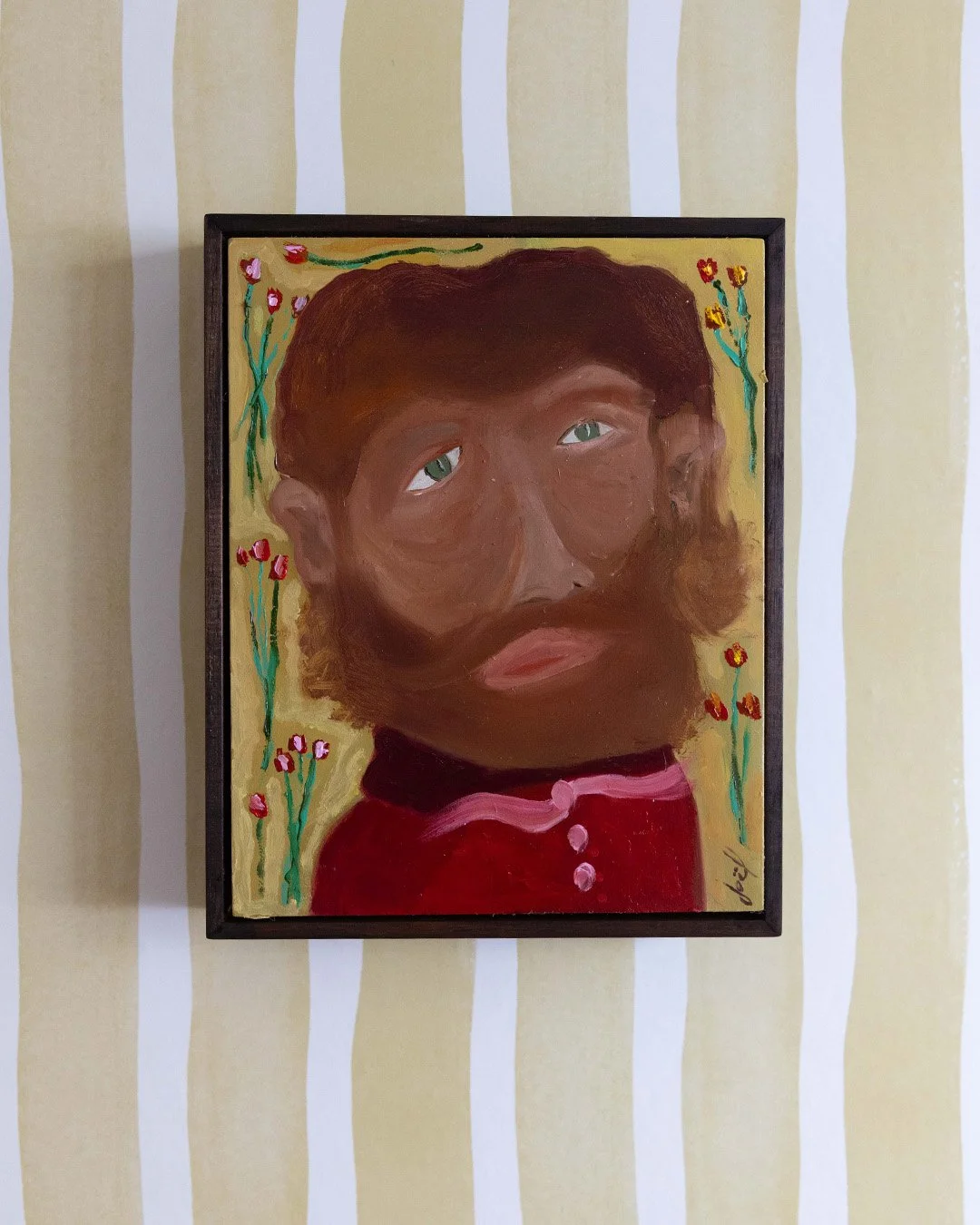
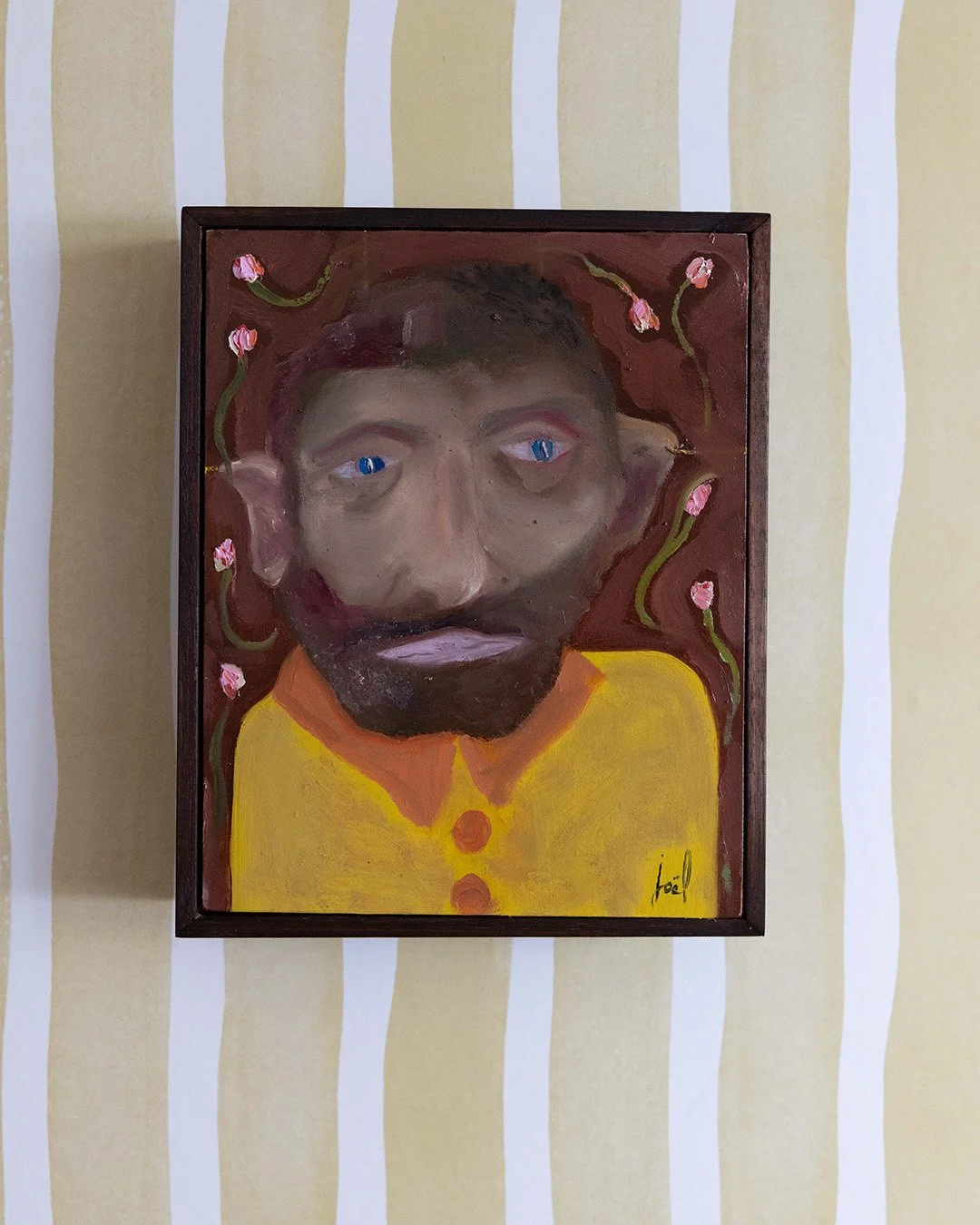
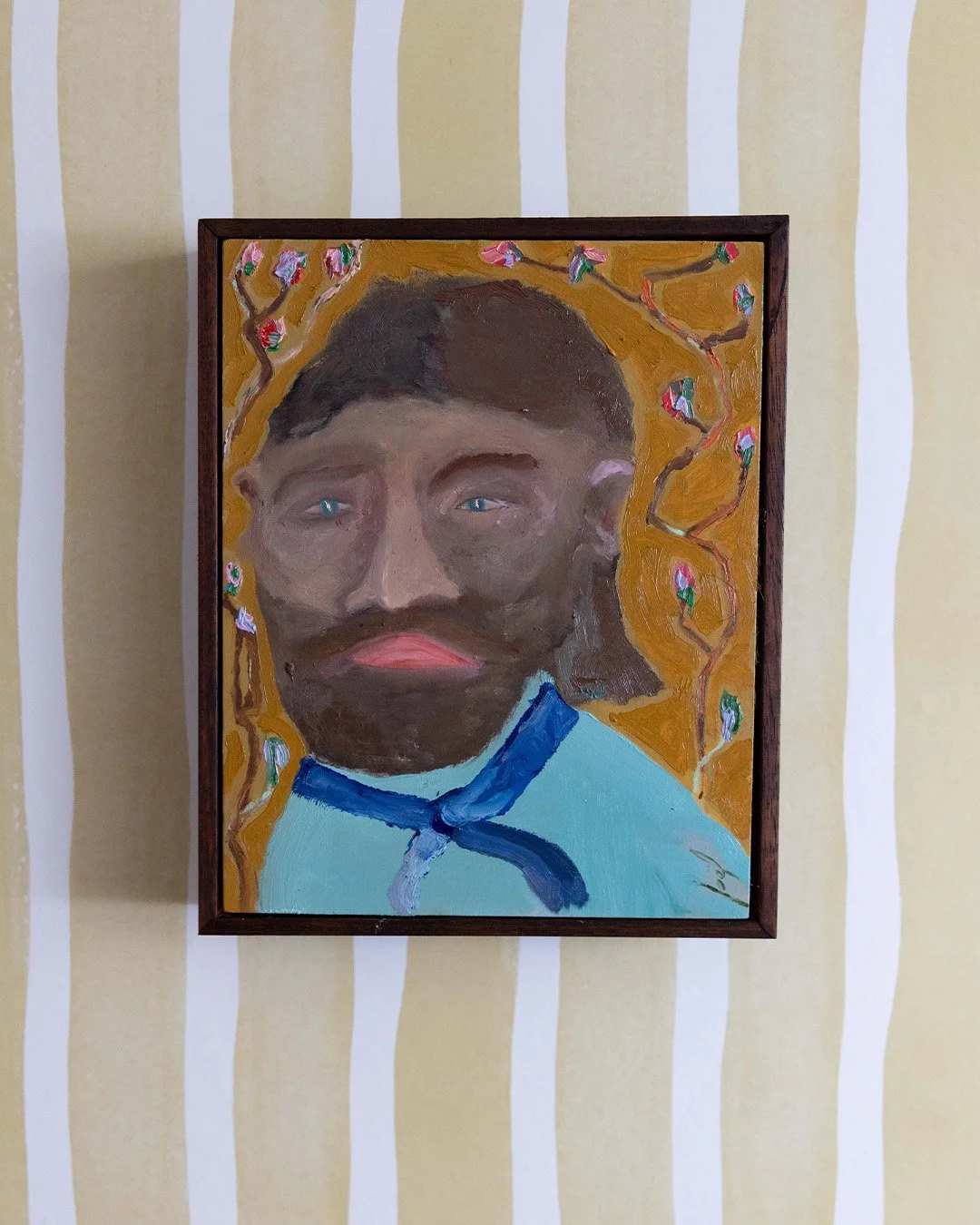
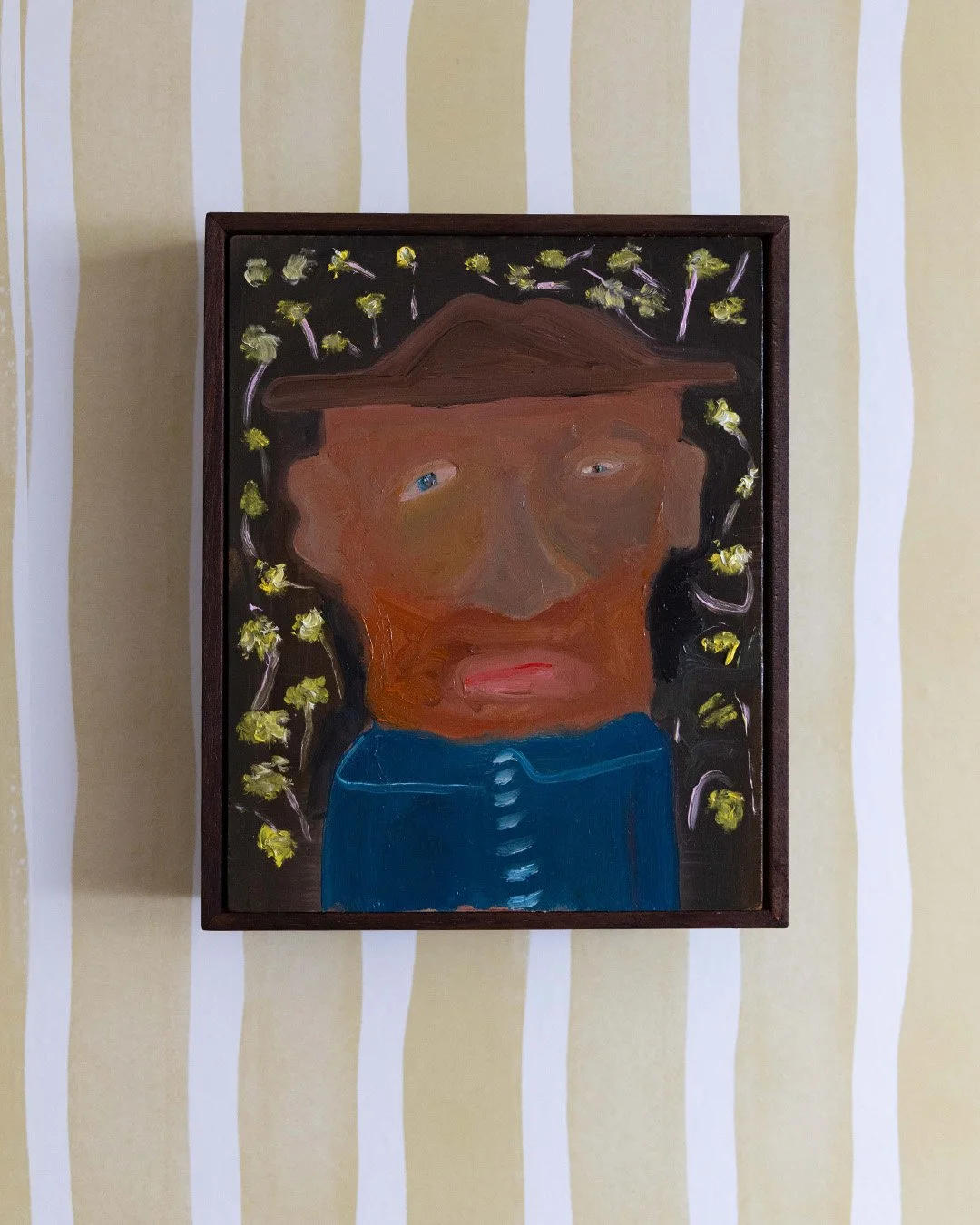
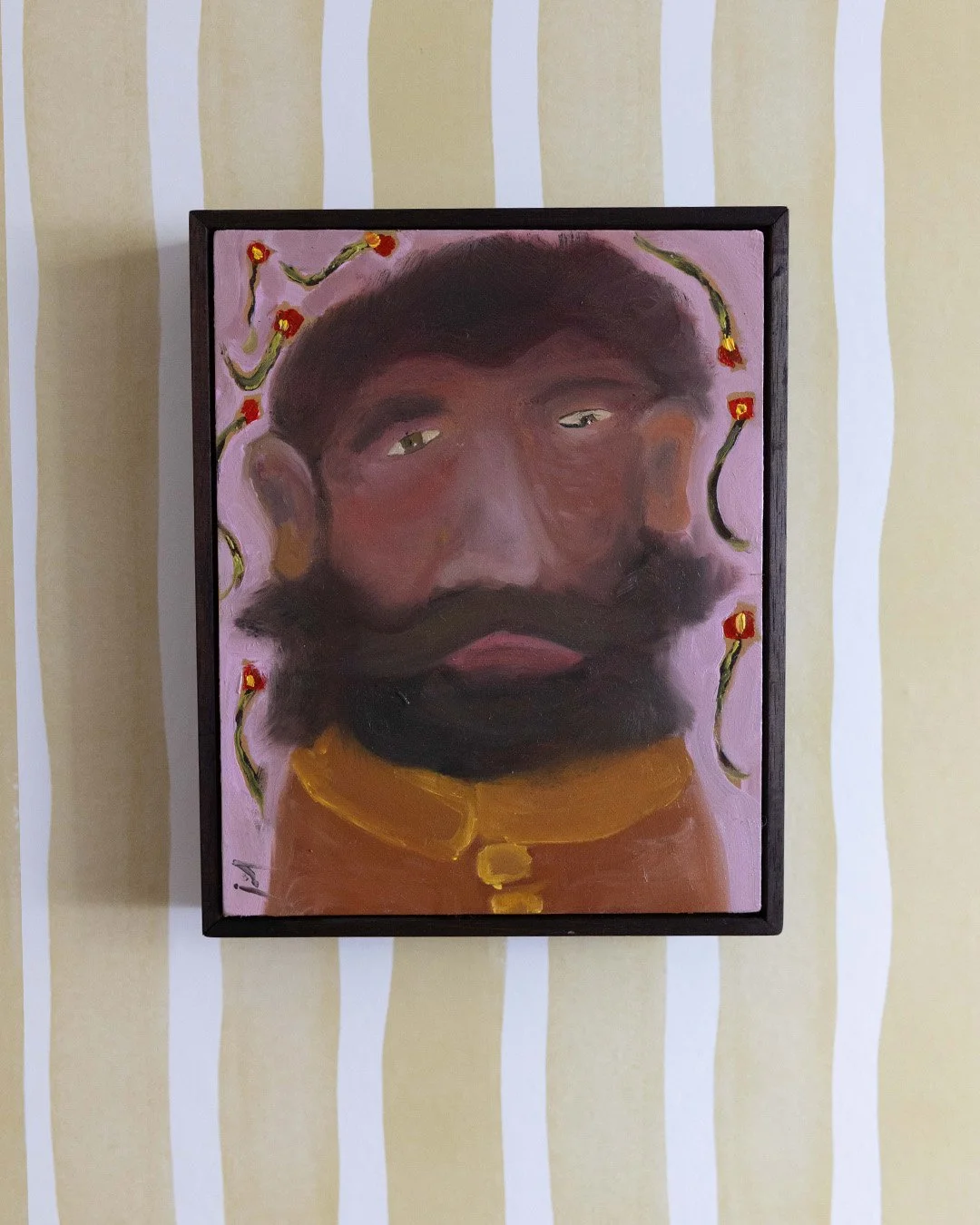
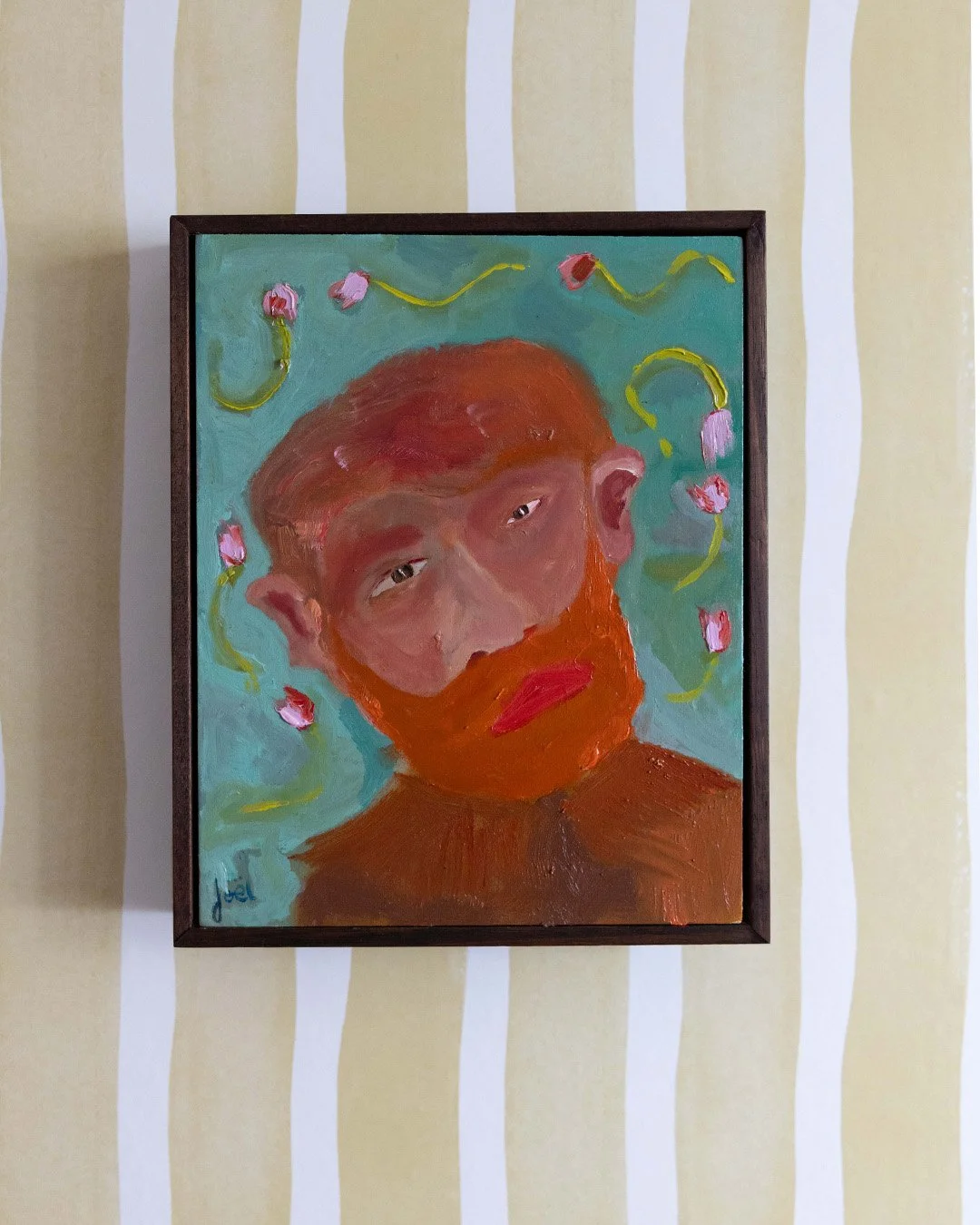
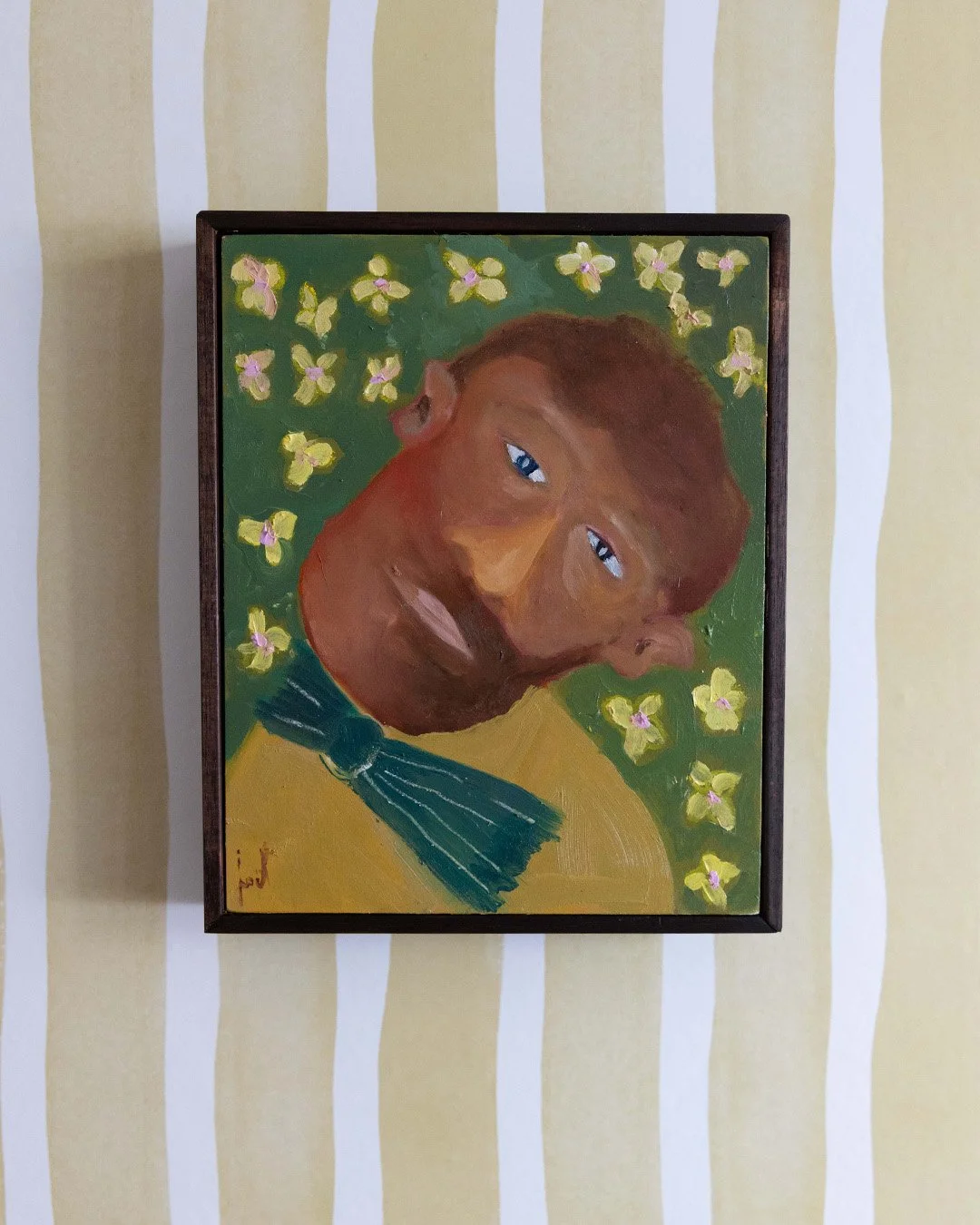
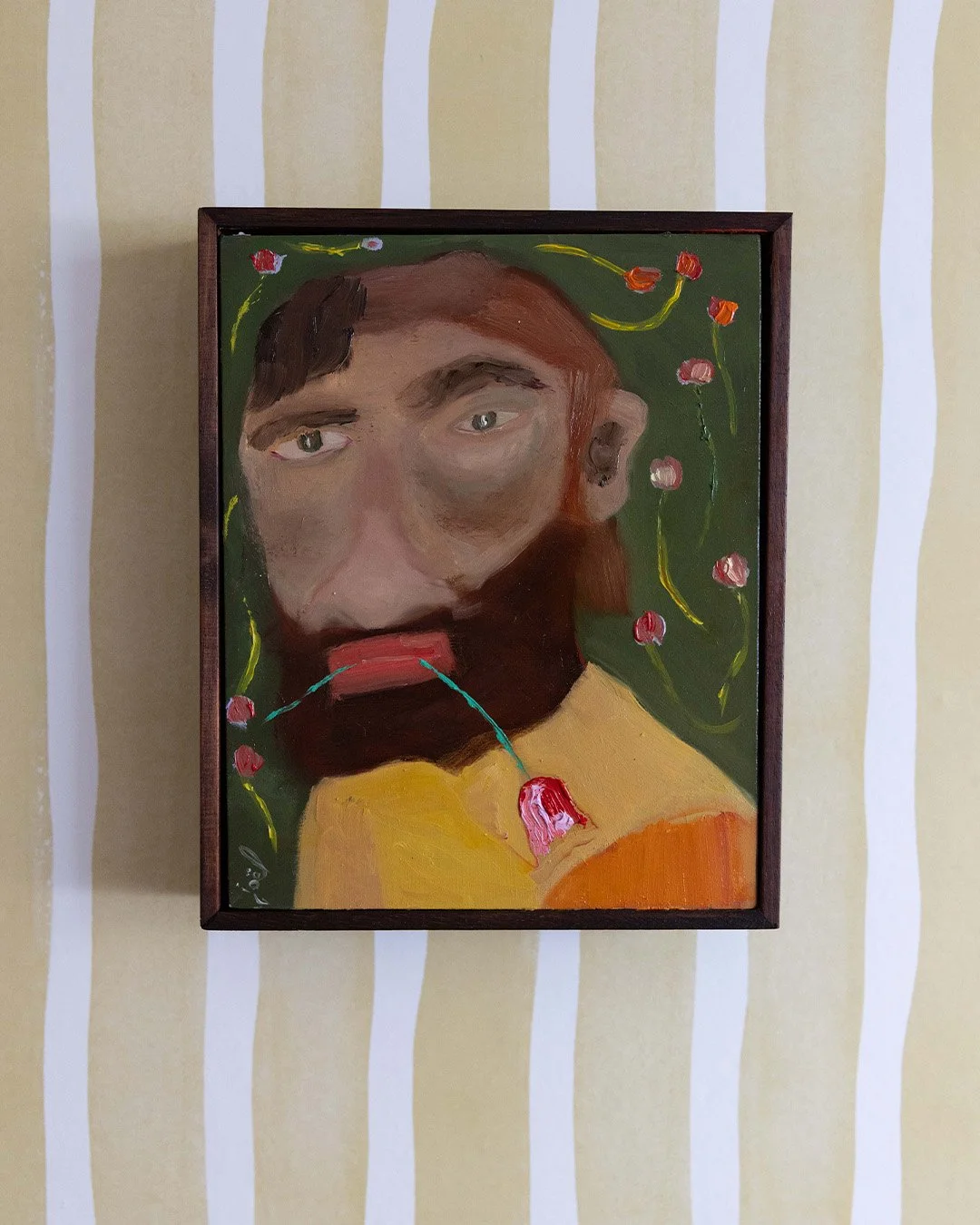
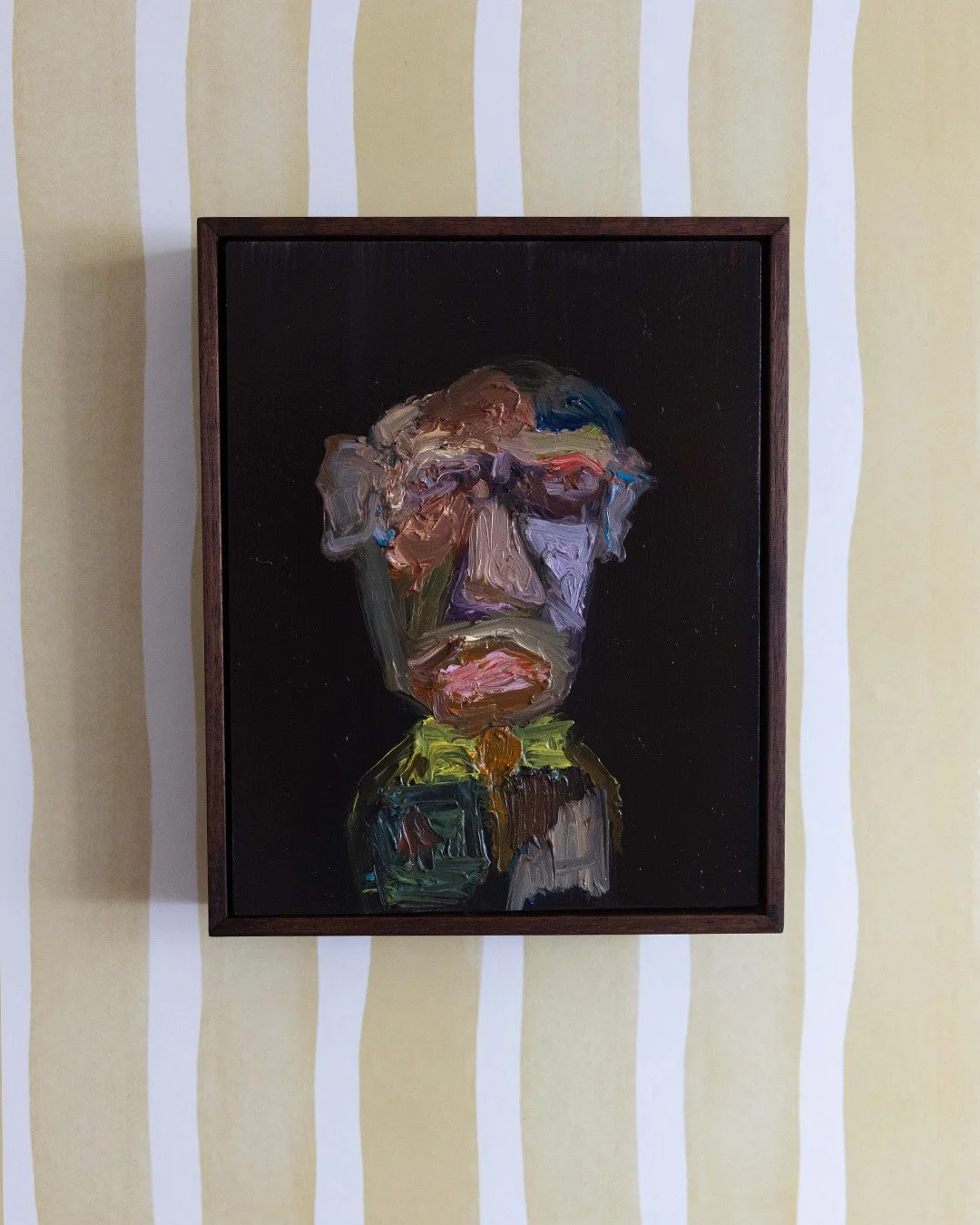
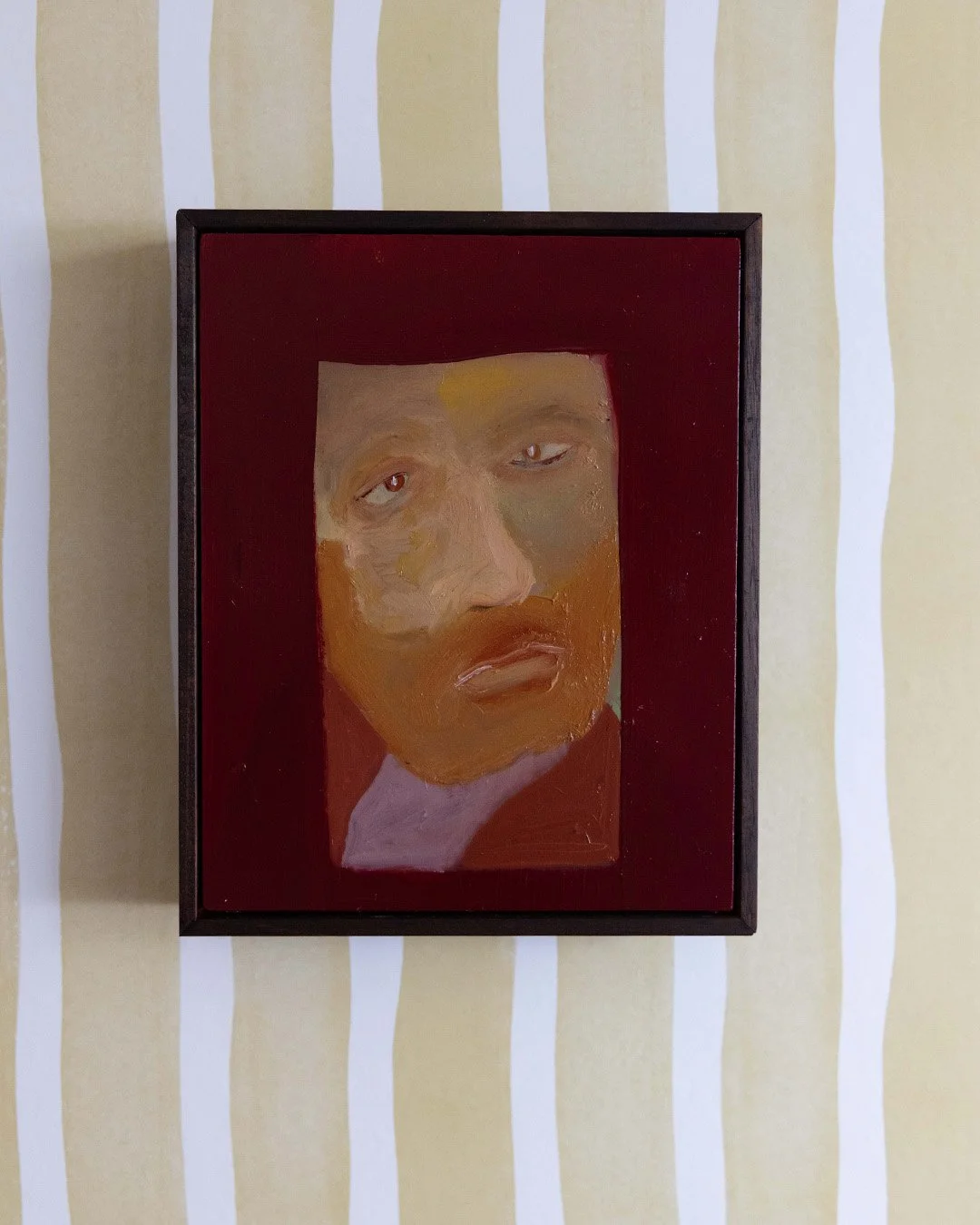
What Do You Want Me to Say Now is a figurative series of 15 portraits exploring what’s left once all the boxes are ticked.
These works look at the surface of modern achievement: do well, eat well, share it, “you are who you decide to be!” and question what comes next?
In this fast-paced lifestyle sits something quieter. Doubt, fatigue, contradiction, emptiness.
Each portrait captures the moment between that performance and the truth. Faces carrying traces of ambition, pressure, and vulnerability showing the emotional residue of fast success and curated lives.
Rather than offering answers, the series sits with the discomfort.
Lies, masks, and the feeling that can remain even after we’ve “done everything right.”
This body of work is about that pause. The silence after achievement and the question that remains:
WHAT DO YOU WANT ME TO SAY NOW?
ARTIST STATEMENT
This new series of 20 portraits comes from my observation of current social behaviour, our focus on self-optimisation and how we present ourselves, often more than how we actually feel. There is also self-reflection in the work. Early mornings in Bondi make this very visible: run clubs, life coaches, group routines, gurus, etc. I see these as patterns/cycle of movement and belonging that appear when society feels on top of the wave. Historically, major creative shifts tend to emerge when we are at the bottom of the wave, after moments of collapse. (For example, Abstract Expressionism rose after World War II. The Renaissance followed the Black Plague.)
‘When we are at the top of the wave, we just follow. When we are at the bottom, we create’
This might sound pessimistic, but based on these observations, we are currently riding the top of the wave. Another influence on this body of work is the École de Paris art movement, which was mainly made up of foreigns painters who settled in Paris in the early 20th century. Without a manifesto, they shared a focus on portraiture, expression, and emotional depth. Some of the painters from this movement are among my favourites, including Soutine and Modigliani. Working with human emotion does adds complexity. As a painter, you know you are creating a decorative object in a way, but having human emotion as the central subject matter definitely brings its own challenges.
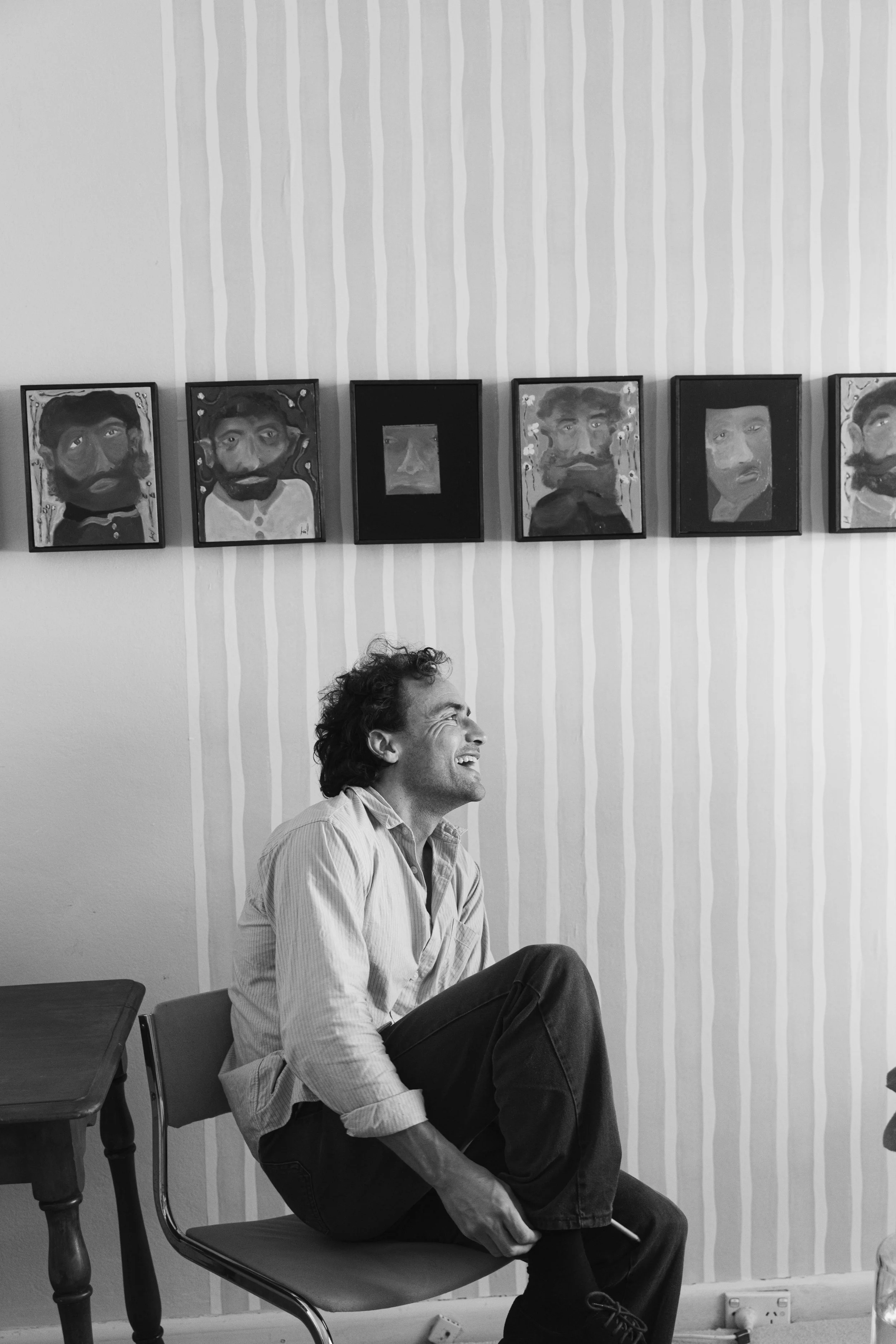
In this series, I pushed that tension further through 20 portraits, all in the same format. The consistent sizing, small (26 x 21 cm), feels intimate, and when they are all lined up, it really reinforces that emotional depth. It looks melancholic, but in harmony. I needed to create that question mark that arises just by looking through the series
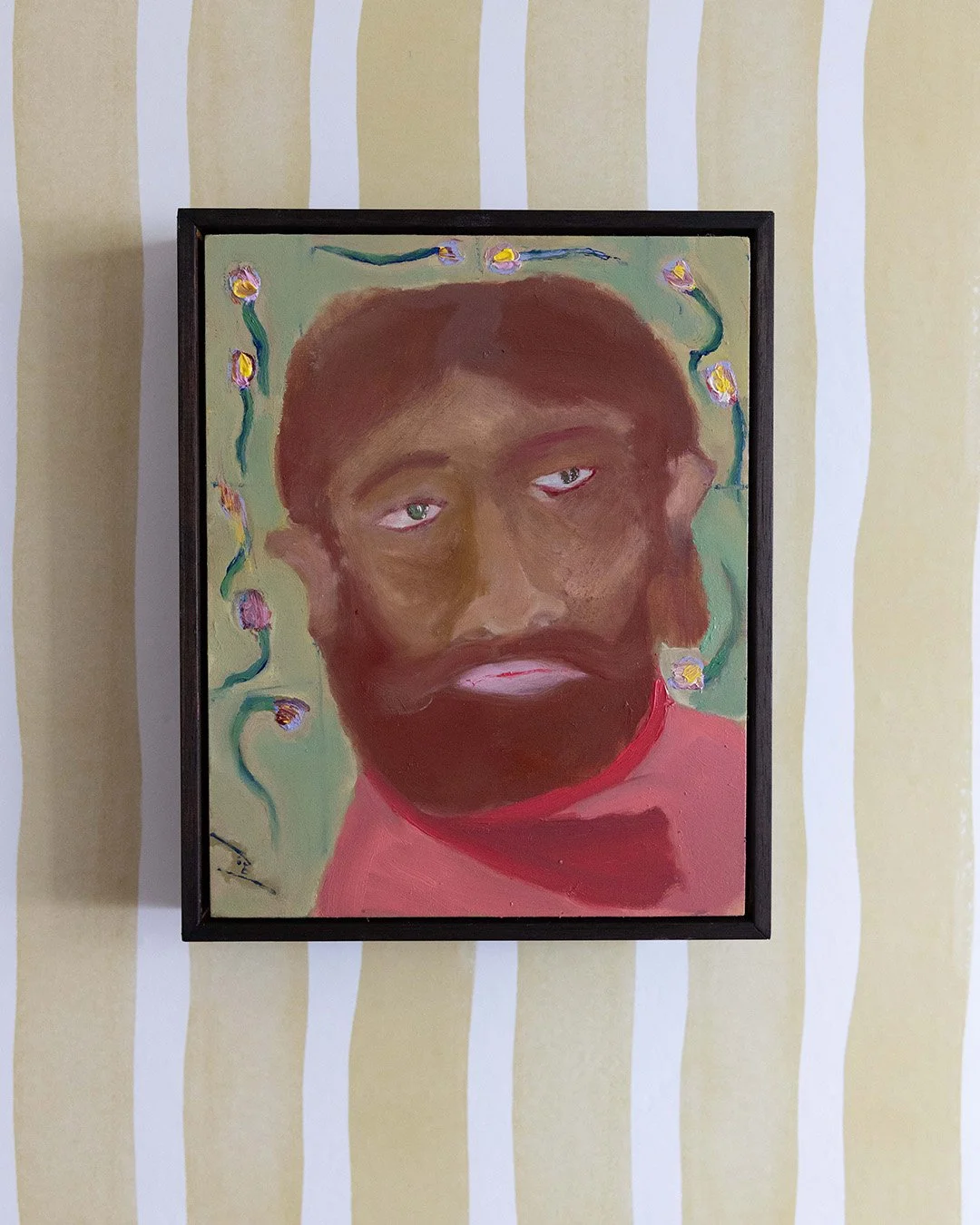
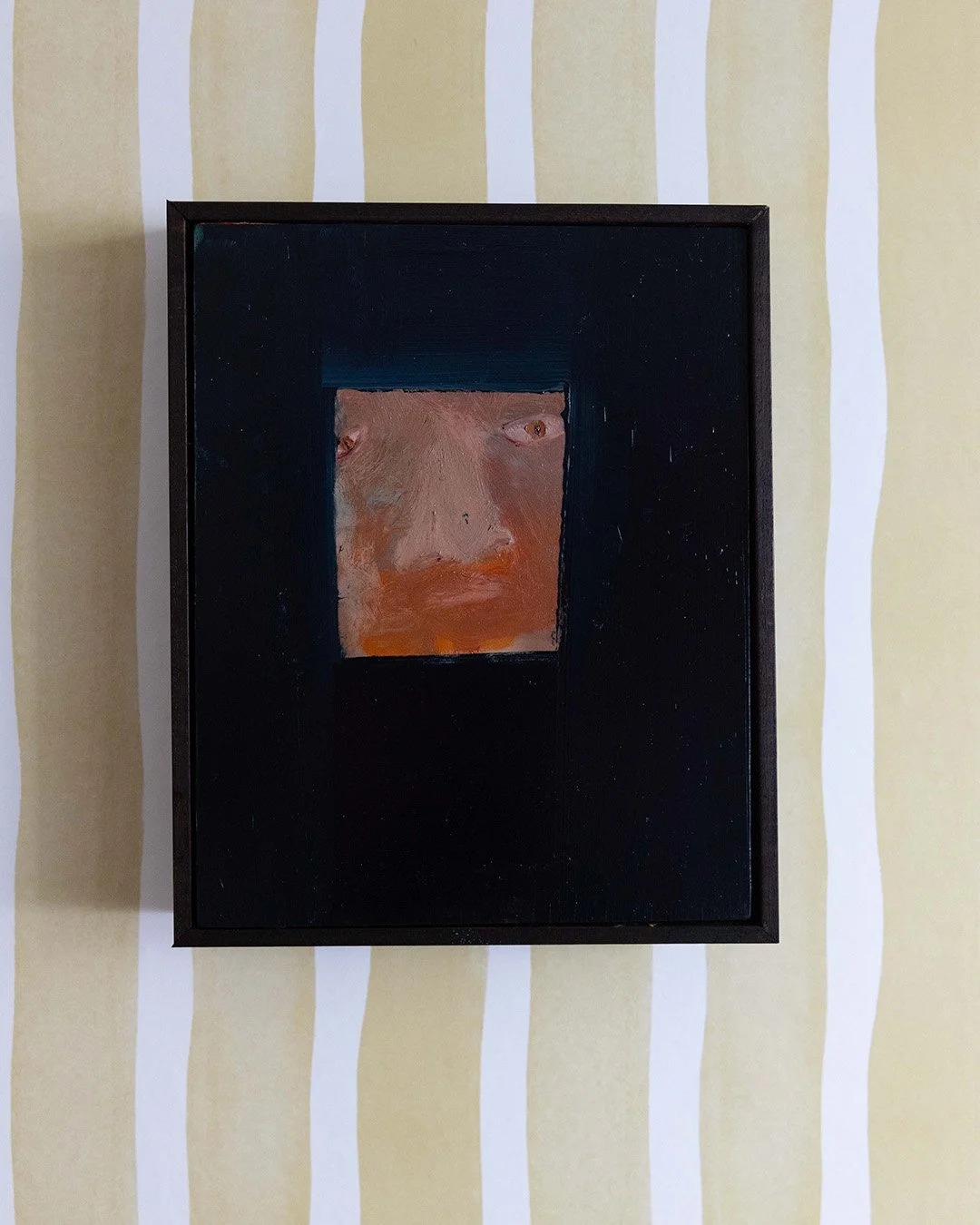
The portraits are frontal, with deliberate distortions and imperfections to create ambiguity. I use colour and composition to support this sense of unease. In some works, floral elements soften the intensity. In others, a plain square within the frame isolates the subject, drawing attention to the eyes, which I emphasise to highlight that emotional isolation.
Each painting is titled after a Paris arrondissement, a direct reference to the École de Paris and its emotional approach to portraiture. Once I have developed a series of work and its concept, I move on to something new. In my painting practice, I do not wish to be tied to a specific subject, and throughout my exhibitions all my themes and concepts have been different - Joel Richard